Why exclusion is the long term fix
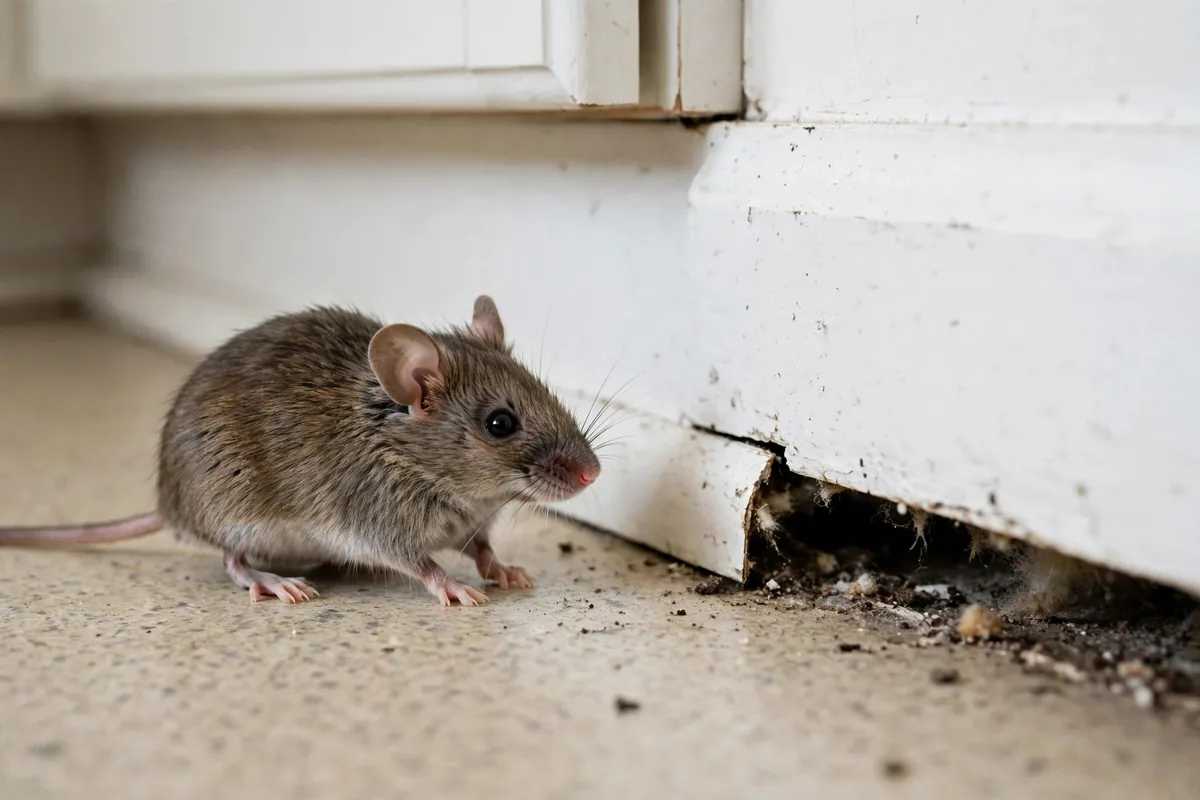
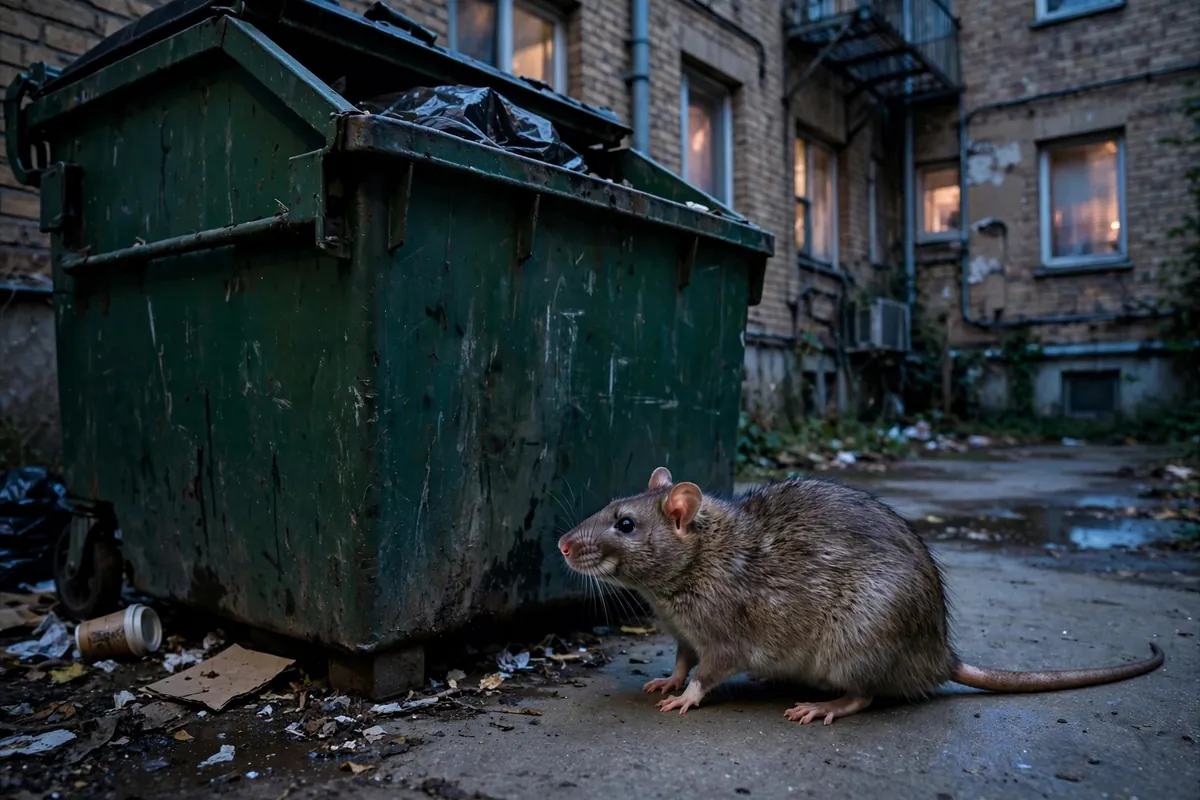
Without sealing, new rodents follow the same scent trails into your home. Exclusion turns a recurring problem into a solved one. It is the step most trap-only services skip.
What we seal
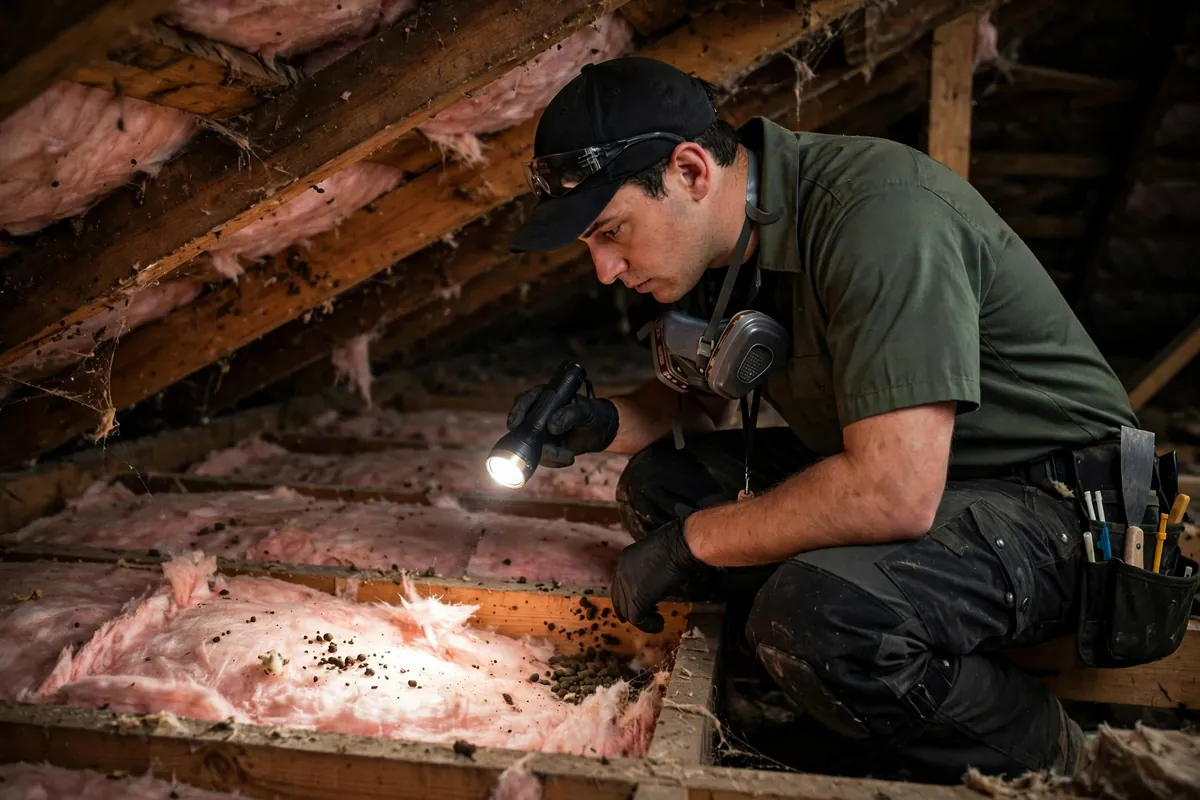
Every exclusion job starts with a written map of openings. You see each one before we fix it.
- Gaps around gas, water, and electrical lines
- Garage door corners and worn weather stripping
- Dryer vents, roof vents, and soffit returns
- Cracked foundation block and mortar joints
- Chimney chases and gaps under siding
Materials built to last
We use galvanized hardware cloth, stainless steel mesh, sheet metal flashing, and hydraulic cement. Foam alone is never used as a barrier, because rats chew straight through it.
Pipe, door, and vent gaps: what to check first
Most Fort Lee entry points fall into a short list: gaps around gas, water, and drain pipes, worn door sweeps and garage corners, dryer and roof vents, soffit returns, and cracks in foundation mortar. Utility lines are a priority, because a single unsealed pipe chase can connect a basement, a kitchen, and an attic.
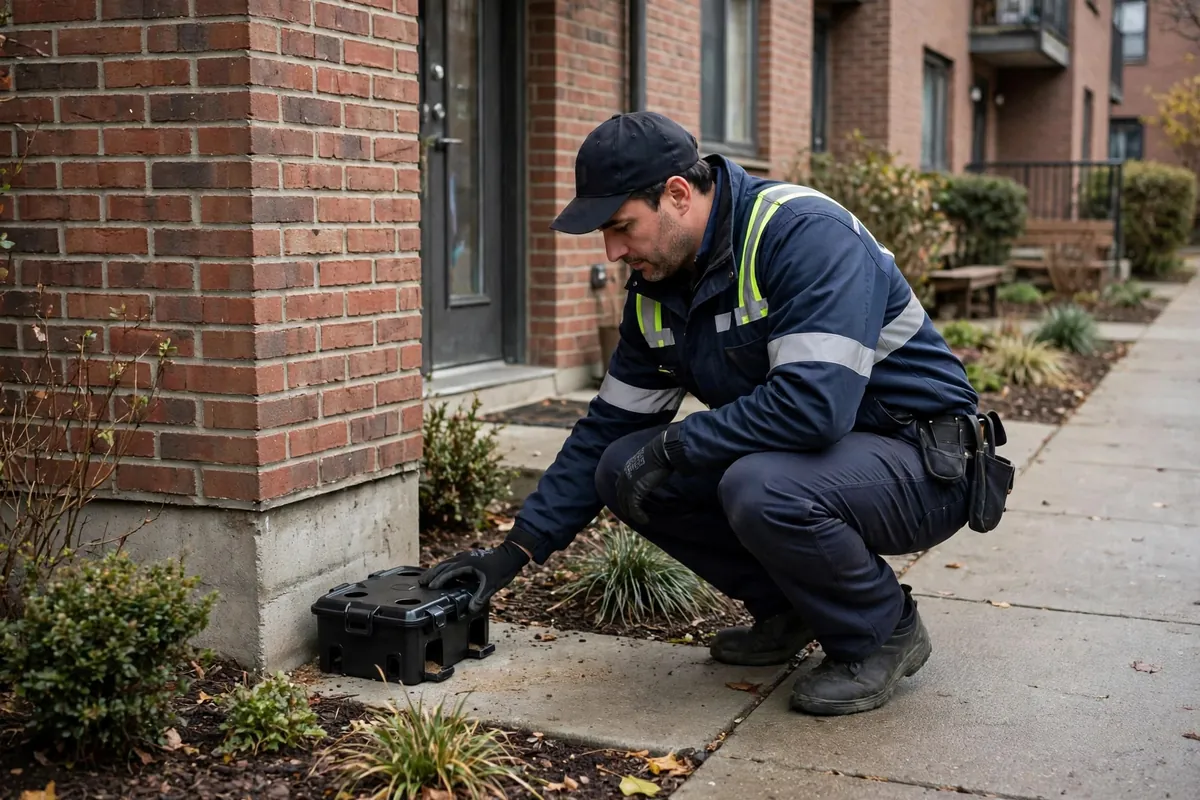
Follow-up prevention means re-checking sealed points after winter and after any plumbing or renovation work, keeping vegetation trimmed away from siding, and watching for new droppings near utility areas. If activity returns at a sealed point, that point needs a stronger material or a wider repair, not another trap in the same spot.
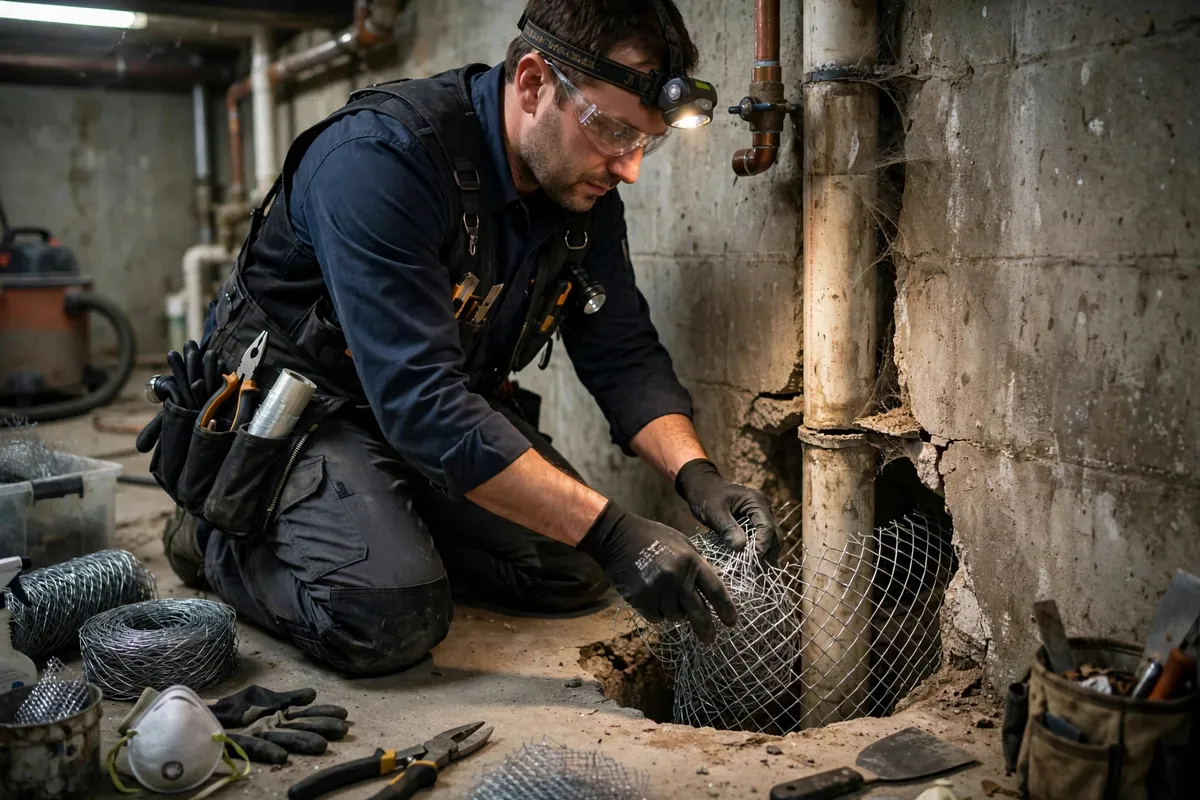
Rodent Exclusion & Proofing across Fort Lee neighborhoods
We provide rodent exclusion & proofing in every part of town, including Coytesville, Palisade, Downtown Fort Lee, Linwood Park and Pleasant Valley. For a full overview of how we protect local properties, visit our rodent control Fort Lee page.